


As a young person and student, cherishing and enveloping the human nature of creativity and creation is vastly overlooked; however, it is one of the most important aspects of developing as a person and growing into adulthood, especially if a pupil’s potential future lies in the arts. This is why, at St Clare’s, the aim is to enrich the students’ perspective on the importance of incorporating this side of academic development in schools.
Hence, as a student currently going through IB2, my second and final year at St Clare’s, I decided to interview some of our leading teachers in departments such as Theatre and Visual Arts to help me describe to you what our arts courses are like at St Clare’s in greater depth: what they consist of, why they are important, and why they help develop the pupils of this school.
This is what our teachers had to say:
Theatre
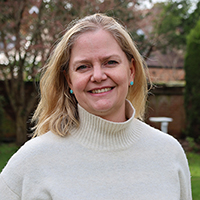
Up first, this was our Theatre teacher Sophie Howells’ response when faced with these questions.
Why is this course better or different from other courses in other schools?
The IB Theatre course encourages creative, critical thinking and cultural understanding, vital for the future of global leaders. Students themselves would be quick to recognise that it develops imagination, spoken communication and collaborative skills, but over time, they also understand that the course is preparing them for university level research – how to write and present research papers – as well as developing written and visual communication within project-based learning. These are all skills which give students the edge at university and beyond. Perhaps more traditional drama courses might focus more on plays, use of language and analysing scripts, whereas the IB Theatre course is a highly practical course that develops students’ skills as actors, directors, designers, creators and researchers.
Why do you think this subject is important for students to learn?
I can’t think of a course that develops the whole person and prepares them more for life than this one! I mean this from both a philosophical point of view – this course asks you to think about global issues facing our society, to think about why the arts are important in addressing these issues, and so on. In response to those issues, it also helps to develop students as thinker, writers and change-makers!
Can you share a favourite project or performance from past students?
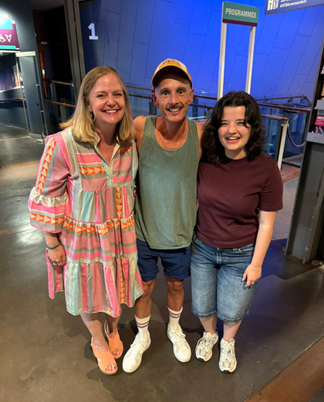
It’s impossible to choose! Too many highlights to choose from! However, it was exciting to watch IB25 student Nessie Johnson researching into the work of Dickie Beau, meeting and interviewing him and then performing her solo performance inspired by his body-synching artform. It came full circle when we met him again last summer, having seen his ground-breaking performance of “Showmanism” at the Hampstead Theatre, London. Nessie is applying to drama schools this year, which is testament to her drive within the arts.
What role do you think art/theatre/photography plays in the world today?
The arts can instigate change, can inspire or enrage. The arts are vital to our survival as a society!
That’s why we go so regularly to such a range of exhibitions, concerts and theatre shows at different theatres; so that we can experience and enjoy as much variety as possible and come to our own conclusions about the importance of the arts!
What types of projects or performances will students get to do?
Students spend the first year of the course building an ensemble, experimenting with different styles and practising key skills in the arts for both practical and written work. In the second year, students complete their IB assessments – a research presentation on a world theatre tradition, a production proposal – like a director’s notebook about a play of their own choosing, a collaborative project where they create and perform their own play, and a solo performance (HL) where they research into a theorist’s work and interpret that themselves for the stage. It’s an exciting programme!
How do you encourage creativity and originality in class?
Through play! Students learn through imaginative play and experimentation. All ideas are embraced and tested out within the laboratory of the theatre classroom… and some make it onto the stage! It’s an enjoyable moment when months of work come to fruition in the final performance!
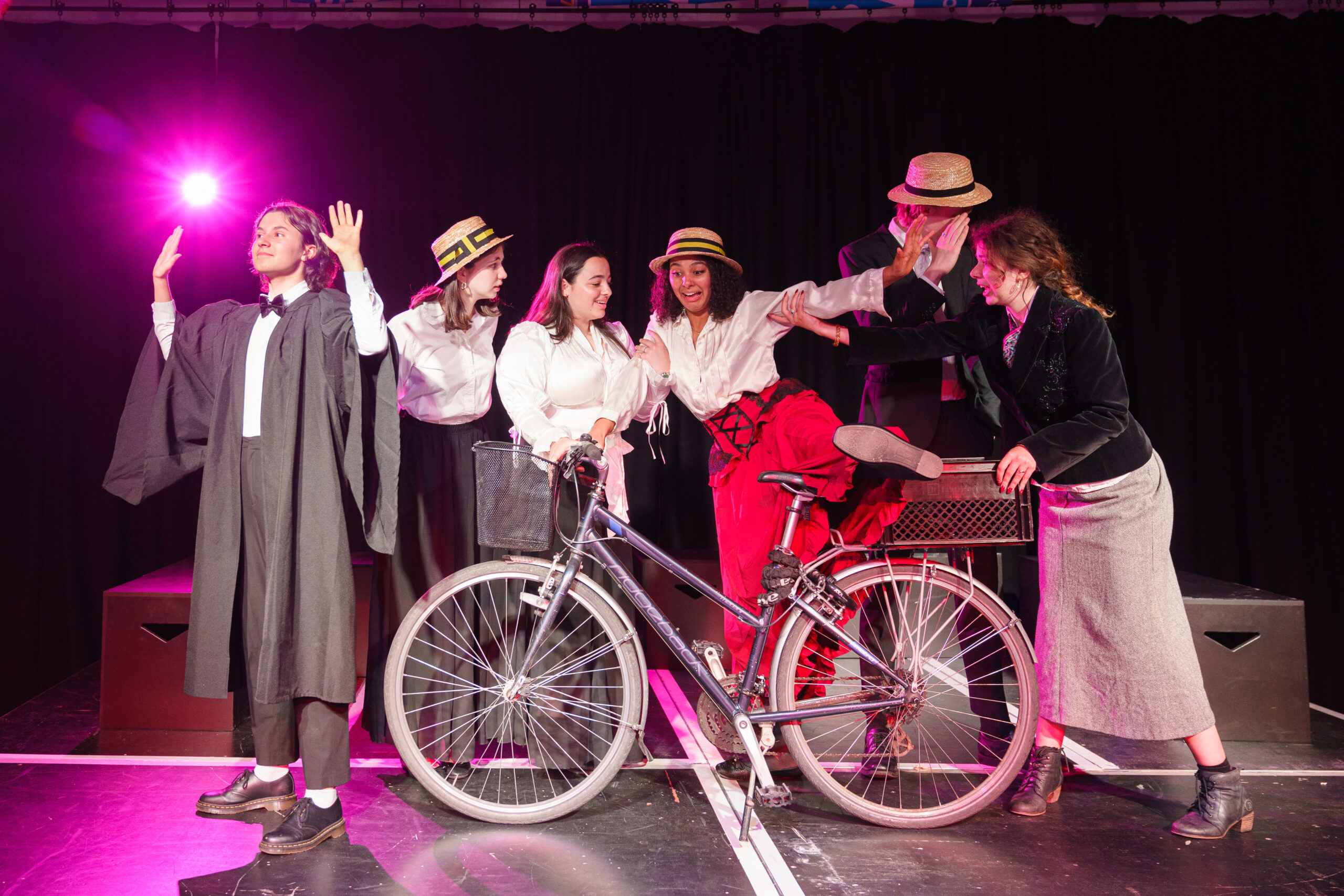
As you can see from our enthusiastic Theatre teacher, at St Clare’s we value our theatre subject very highly, and we recognise how important it is for a growing student and teenager to be able to grow through theatre, helping them express themselves and develop a strong thinking mind and philosophical perspective.
Visual Arts
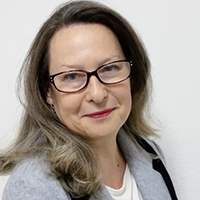
On the other hand, our visual arts subject is also highly valued and recognised for helping students develop a creative and curious mind!
This is what our Visual Art teacher, Susan Khampuweing, had to say:
Why is this course better or different from other courses in other schools?
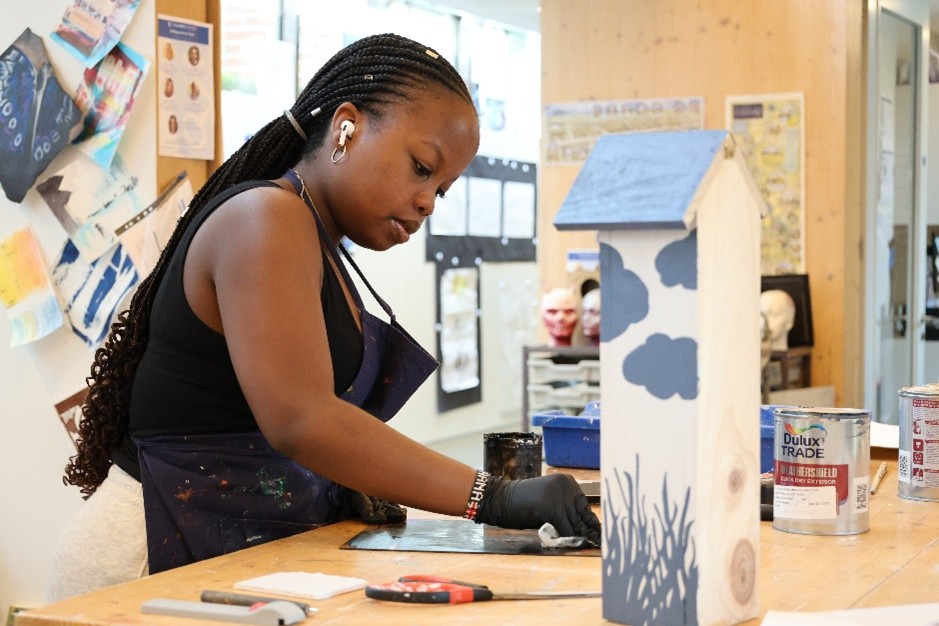
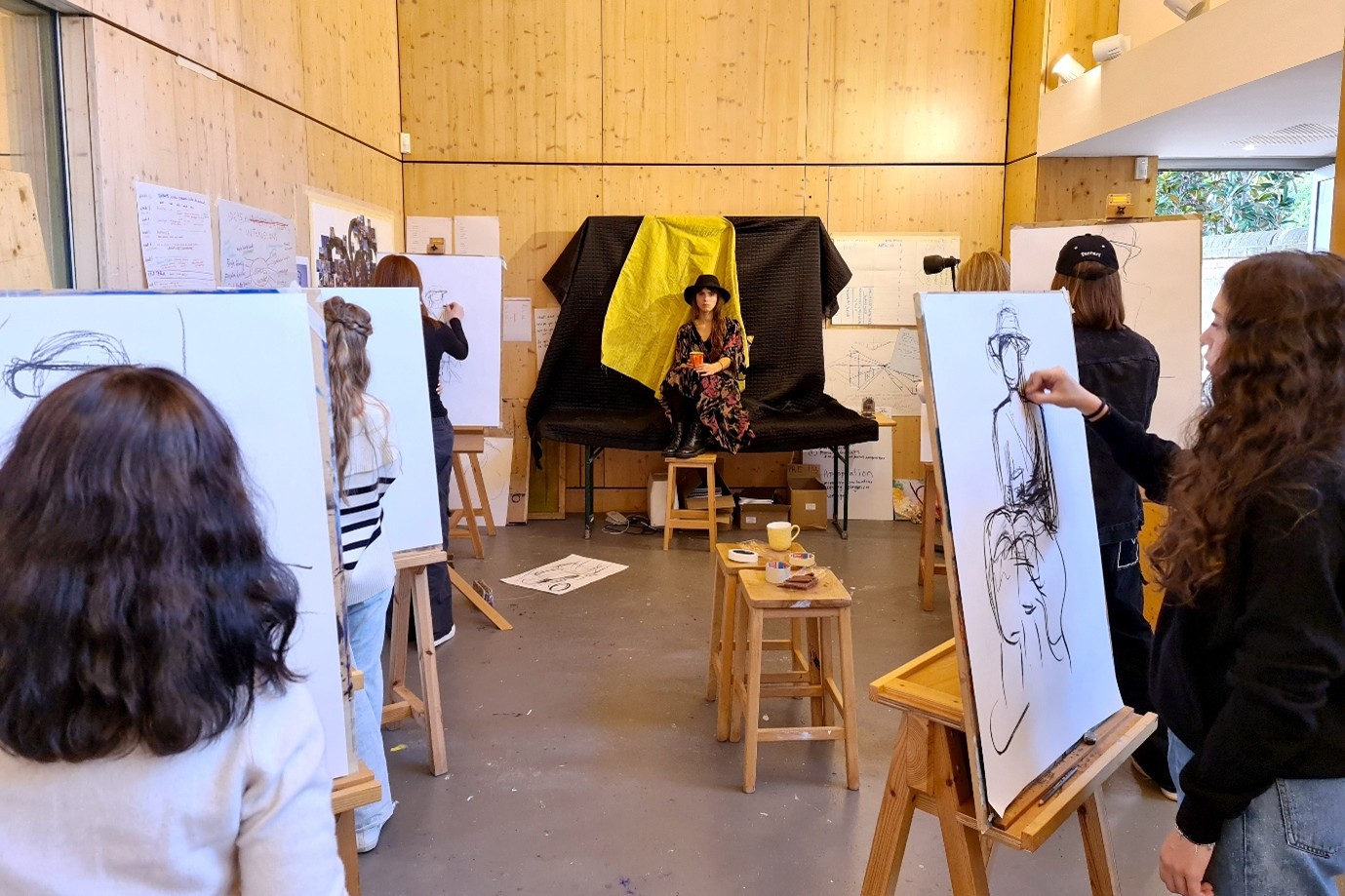
I can’t speak for ALL schools, but at St Clare’s we have a dedicated art studio which allows students the freedom to move, explore, and select media in a semi-professional setting rather than a traditional classroom. Small class sizes allow me to be available for students and to offer the support needed to achieve their best as young artists and designers. IB is different to A-Levels in that it encourages independence and joined-up thinking, giving students the means to link the different areas of their learning. Visual Arts students do an exhibition at the end of the course, which gives them a real experience of making a coherent art show. These opportunities are not available in the more restricted A-levels programme.
Why do you think this subject is important for students to learn?
Through the Visual Arts students learn to question the status quo and come up with creative answers to problems. Students develop their own visual language, which allows them to be more creative than subjects that are bound by facts. This creativity is vital to push all areas of learning forward.
What role do you think art/theatre/photography plays in the world today?
We look at art to know who we were, who we are now, and what we want to be as a society. It allows us to know ourselves, protest, and compare ourselves now and in the past to other societies and cultures.
What types of projects or performances will students get to do?
Pre-IB students cover basic skills in preparation for the IB. IB students complete a digital portfolio, a number of final pieces, an investigation of the work of other artists, and a small art show.
How do you encourage creativity and originality in class?
Small class sizes. Supporting students to explore their own ideas in a structured manner. I encourage a structured approach in Year 1 to enable students to gain a full understanding of the grading criteria. IB students explore and learn about a range of media in year 1 of the course and later have the freedom to select independently.
Student Stories
We recognise that a teacher’s perspective is great for describing why it’s important and explaining the course that the students will go through, but the true experience of the subject will always be most felt by the students.
So, we decided to ask an IB student studying theatre, Max from Germany in his second year at St Clare’s, to tell us a bit about the experience:
What does theatre mean to you?
For me theatre, is like stepping into a completely different world of its own. It is a chance to explore different emotions, ideas, and perspectives that I might never experience on a day-to-day basis in my own life. When I am involved in theatre, I feel like I am part of something bigger than myself, something that connects people through creativity and imagination. It is a space where you can express things that are hard to put into words and where every performance feels unique because it’s alive in the moment.
Why is it important?
I think theatre is important because it reminds us of our shared humanity. It’s one of the oldest forms of storytelling, and it still matters because it makes us feel and think. Theatre can challenge your beliefs and open your mind up to new perspectives. In a world which is so faced-paced and digital, theatre can slow things down and it gives us a real, human experience, something you cannot get from a screen. It teaches empathy, creativity, and collaboration, which are things we all need, no matter what we do in life right now, as well as later on in life.
Why did you decide to take this course?
I chose theatre because I wanted to push myself out of my comfort zone. I’ve always been interested in creative subjects, but theatre felt like something that would challenge me from a completely different perspective. I wanted a subject that would help me grow, not just academically but personally, and theatre does that. It teaches you confidence, adaptability, and how to think creatively under pressure.
Where do you wish this course to take you, or what do you want to take out of this course if you don’t plan for it to be part of your studies in the future?
I don’t plan to pursue theatre as part of my future studies, but I still think this course gives me skills that will help in any career. Theatre mainly teaches me confidence, which is huge when it comes to presentations and pitching ideas. It also builds teamwork and communication skills, because you are constantly collaborating and adapting throughout the course. So, while I won’t be on stage in the future, I know what I’ve learned here will make me more confident and versatile in whatever I do.
What have you learned / what challenges have you faced?
During this course I have learned that theatre pushes you to be adaptable and creative. One of the hardest for me was performing in front of an audience (the end of year IB1 play). But overcoming that fear taught me confidence and how to think on my feet. Every challenge has helped me grow and become more comfortable expressing myself.
Likewise, here is another IB student, but who is studying visual arts. Here is Marita, also from Germany in her second year at St Clare’s, to tell us a bit about the visual arts experience:
What does art mean to you?
For me, art is a way of understanding and responding to the world around me. It’s not just about creating something visually appealing, but about exploring ideas, emotions, and experiences that are often difficult to express with words. As someone who has grown up in Germany and is now studying in Oxford, art has also become a way for me to reflect on identity, culture, and change. It gives me space to think deeply, experiment freely, and communicate personal perspectives in a visual language that feels both intimate and universal.
Why is it important in today’s society?
I think art is especially important today because it encourages people to slow down and reflect in a world that is very fast-paced and dominated by technology. Art has the power to question social issues, challenge dominant narratives, and give visibility to different voices and perspectives. It helps us develop empathy and critical thinking, which are essential in such a complex global society. Art also connects people across cultures and backgrounds, reminding us that creativity is something we all share.
Why did you decide to take this course?
I chose to take Visual Arts because I wanted a subject that allowed me to combine creativity with independent thinking. I’ve always been interested in visual expression, and the IB Visual Arts course stood out to me because it values process just as much as the final outcome. I liked that it encourages experimentation, research, and personal engagement rather than following strict rules. It felt like a course where I could truly develop my own voice as an artist.
Where do you wish this course to take you, or what do you want to take out of this course if you don’t plan for it to be part of your studies in the future?
Even if I don’t pursue art as a formal part of my future studies, I want this course to shape the way I think and approach problems. Visual Arts has taught me how to reflect critically on my own work, manage long-term projects, and stay open to feedback. These skills are valuable in any field. I also want to leave the course with a stronger sense of confidence in my ideas and the ability to communicate them clearly, visually, and conceptually.
What have you learned / what challenges have you faced?
Throughout this course, I’ve learned that art is as much about discipline and reflection as it is about creativity. One of the biggest challenges for me was managing time, especially balancing the sustained investigation, exhibition work, and other IB subjects. I also found it challenging to constantly evaluate and justify my artistic decisions. However, these challenges helped me become more organised, reflective, and resilient. I’ve learned to embrace mistakes as part of the creative process and to see them as opportunities for growth rather than failure.
All in all, I think it’s easy to agree that our Arts programme at St Clare’s plays a vital role in our community. Our teachers are committed to helping students develop their minds not just through the traditional academic subjects, but through philosophical ways that encourage students’ problem-solving and creativity, key skills for the large and bright futures ahead of us.
Written by Daniel (IB26)